Trusted by 150+ Homeowners
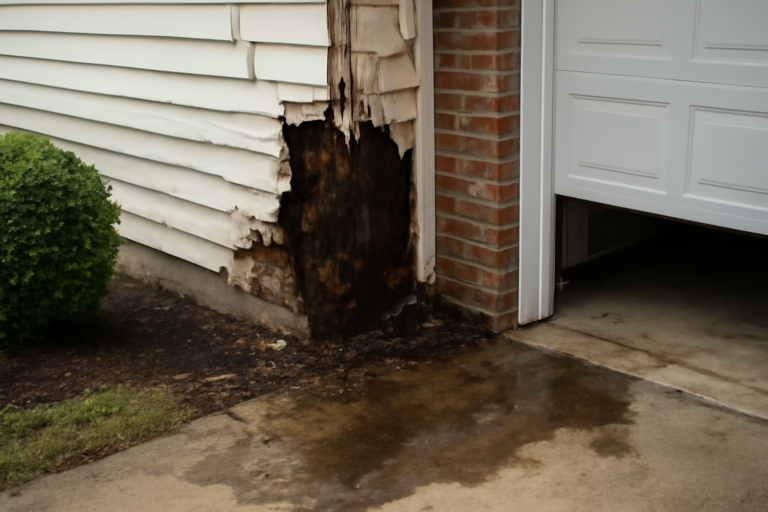
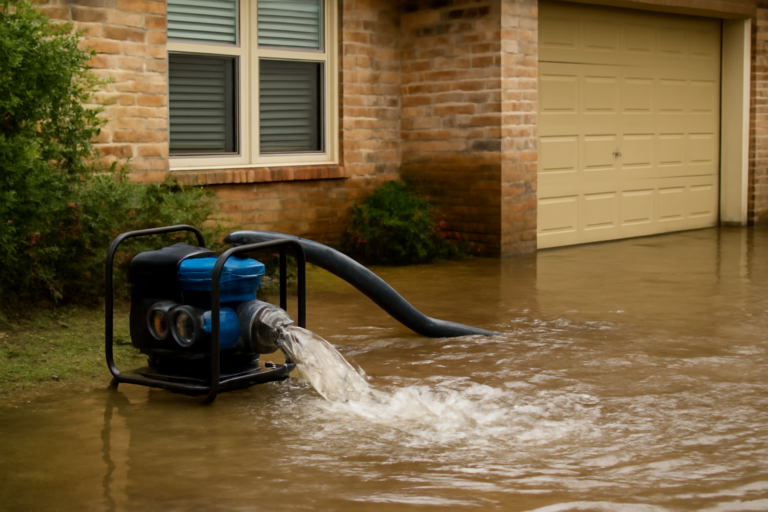
Slab Leak Water Removal in Grand Prairie, TX
- Over 154 5-Star Reviews
- Free Estimates and Quotes
- 100% Satisfaction Guaranteed
- Child, Family & Pet Safe Steps
- 24-Hour Emergency Service
- Fully Licensed & Insured
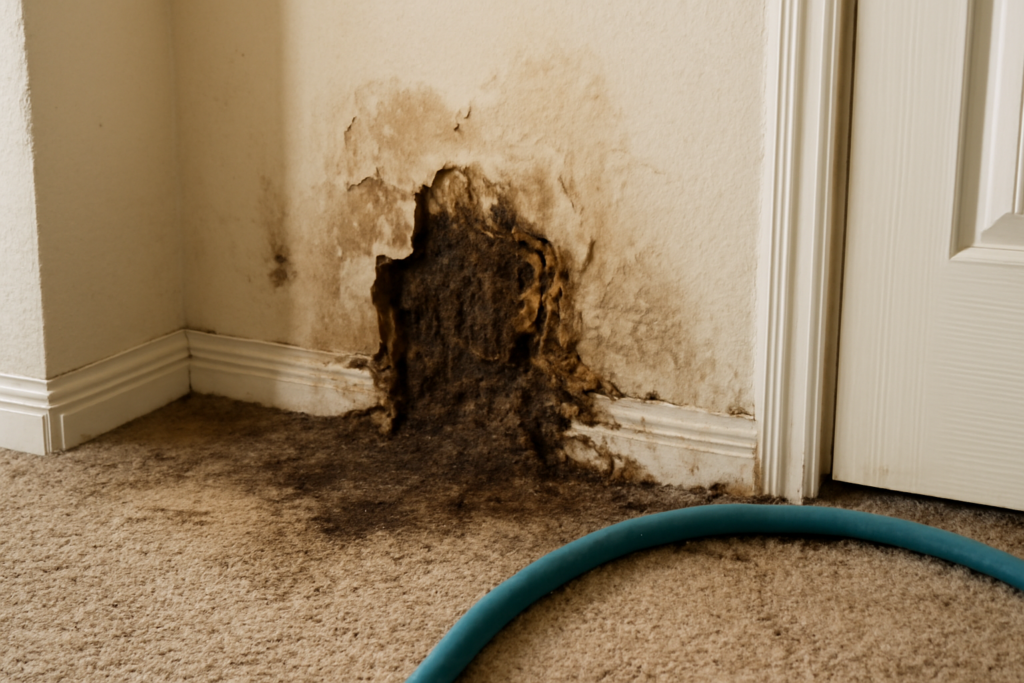
Water Damage on Your Slab: What to Do Next
You’re walking into your home, and the sound of dripping water greets you. You follow the sound to your kitchen, where you see water pooling on the floor, spreading from beneath the sink. Your heart sinks as you realize the water is coming from a slab leak, and it’s getting worse by the minute. You need help fast, and that’s where our team comes in.
Don’t let a slab leak ruin your home. Our team has helped over 165 homeowners in the area recover from similar situations, and we can do the same for you. We’re IICRC certified and dedicated to providing top-notch service.
- Fast response times to prevent further damage
- State-of-the-art equipment to detect and fix leaks
- Expert technicians trained to handle slab leaks
How We Fix Slab Leaks: A Step-by-Step Guide
Fixing a slab leak needs more than just patching up the surface. Our team uses a scientific approach to detect the source of the leak, containing the area to prevent further damage. We then use specialized equipment to dry out the affected area, ensuring your home is safe and dry within 60 minutes.
Step 1: Containment
Our technicians will use specialized equipment to contain the area, preventing further water damage and contamination. This step is crucial in preventing mold growth and structural damage. Swift containment is key to preventing further damage.
Step 2: Leak Detection
We’ll use specialized equipment to detect the source of the leak, ensuring we fix the root cause, not just the symptoms. This step needs patience and expertise to ensure accurate results.
Step 3: Water Extraction
Our team will use industrial-grade equipment to extract water from the affected area, ensuring your home is dry and safe. This step is critical in preventing long-term damage and mold growth.
Step 4: Drying and Dehumidification
We’ll use specialized equipment to dry out the affected area, ensuring your home is safe and dry. This step needs precision and care to prevent further damage.
Step 5: Final Inspection and Repair
Our team will conduct a final inspection to ensure the area is dry and safe. We’ll then repair any damaged areas, ensuring your home is safe and secure. Quality repair is our top priority.
Don’t wait until it’s too late. Call us today to schedule a free assessment and get your home back on track.
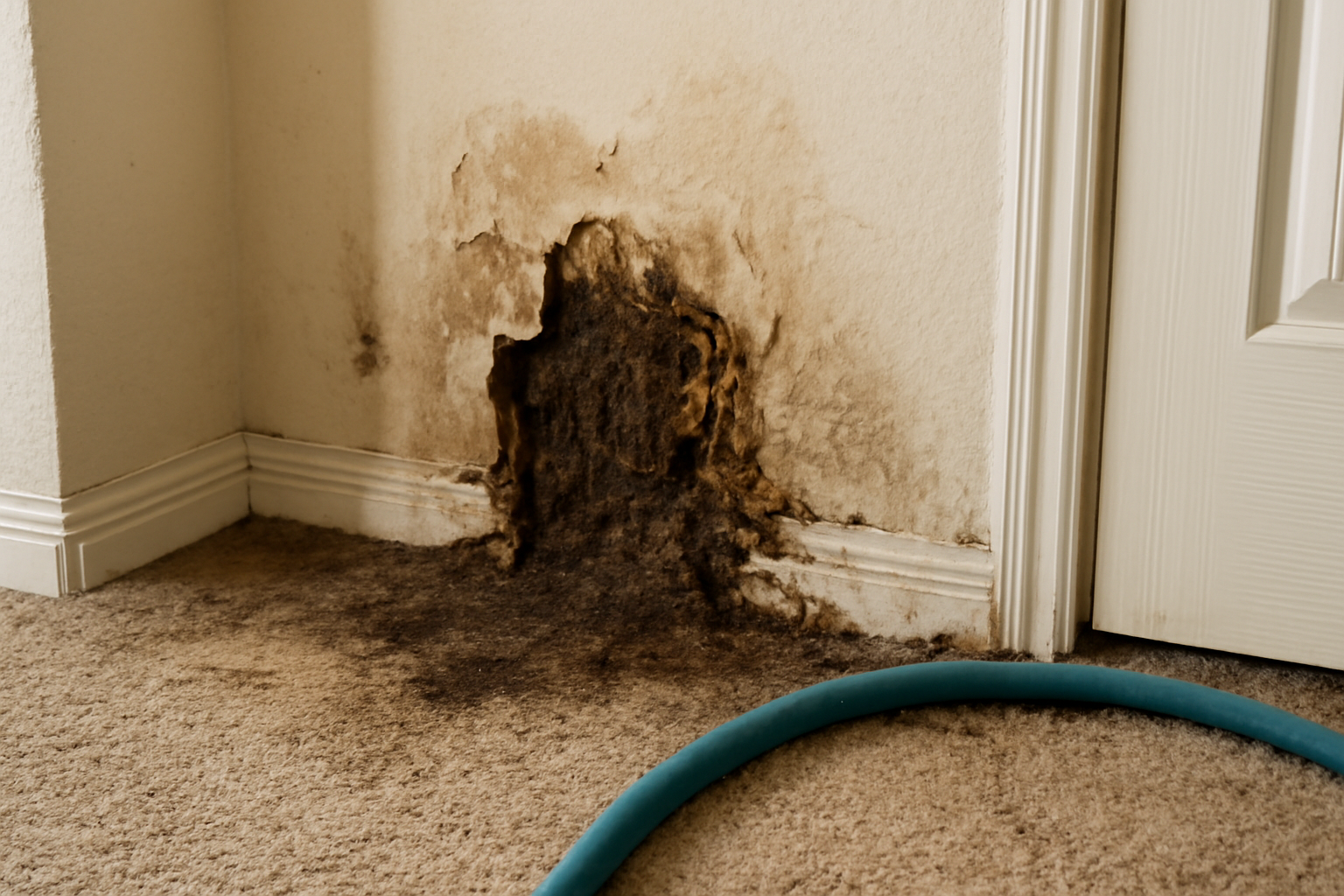
Warning Signs You Need Slab Leak Water Removal
Catching slab leaks early can save you thousands of dollars in repairs. Don’t ignore these warning signs, and you’ll be glad you didn’t:
Musty Odors That Won’t Go Away
Musty smells can be a sign of mold growth, which can spread quickly. If you notice a persistent musty odor, it’s time to call us. Mold growth can lead to costly repairs and health issues.
Water Stains on Your Ceiling or Walls
Water stains can be a sign of a slab leak, but they can also be caused by other issues. If you notice water stains, it’s best to call us to find out the cause. Early detection is key to preventing further damage.
Unusual Noises Coming from Your Slab
Unusual noises, such as creaking or groaning, can be a sign of a slab leak. If you notice any unusual noises, it’s time to call us. Don’t ignore these warning signs, or you’ll regret it.
High Water Bills
High water bills can be a sign of a slab leak, but they can also be caused by other issues. If you notice a sudden increase in your water bills, it’s best to call us to find out the cause. Don’t ignore these warning signs, or you’ll be surprised by the cost.
Warped or Buckled Flooring
Warped or buckled flooring can be a sign of a slab leak. If you notice any changes in your flooring, it’s time to call us. Early detection is key to preventing further damage.
Cracks in Your Walls or Foundation
Cracks in your walls or foundation can be a sign of a slab leak. If you notice any cracks, it’s best to call us to find out the cause. Don’t ignore these warning signs, or you’ll regret it.
Slab Leak Water Removal vs. DIY: When to Call a Professional
| Situation | DIY? | Call a Pro? | Why |
|---|---|---|---|
| Small water leak (less than 1 gallon per minute) | Yes | No | You can likely fix it yourself with a DIY kit. |
| Large water leak (over 1 gallon per minute) | No | Yes | It’s best to call a professional to prevent further damage. |
| Water damage from a slab leak | No | Yes | Slab leaks need specialized equipment and expertise to fix. |
| High water bills | No | Yes | High water bills can be a sign of a slab leak, and a professional can help you find out the cause. |
| Warped or buckled flooring | No | Yes | Warped or buckled flooring can be a sign of a slab leak, and a professional can help you fix it. |
Don’t try to fix a slab leak yourself. It’s not worth the risk of further damage or health issues. Call us today to schedule a free assessment and get your home back on track.
Slab Leak Water Removal Cost in Grand Prairie, TX
The cost of slab leak water removal can vary depending on the severity of the leak, the size of the affected area, and local conditions in Grand Prairie, TX. Here are some estimated price ranges for common services:
| Service | Typical Price Range | What Affects Cost |
|---|---|---|
| Slab leak detection | $200 – $1,000 | Severity of the leak and size of the affected area |
| Water extraction | $500 – $2,500 | Amount of water extracted and equipment needed |
| Drying and dehumidification | $500 – $2,000 | Size of the affected area and equipment needed |
| Final inspection and repair | $500 – $2,000 | Severity of the damage and equipment needed |
| Moisture mapping | $200 – $1,000 | Size of the affected area and equipment needed |
Exact pricing depends on an on-site assessment. We offer free estimates, so don’t wait to schedule yours today.
Service Areas Near Grand Prairie, TX
We serve the following areas: Arlington, Bedford, Colleyville, Euless, Grapevine, Haltom City, Hurst, Irving, Keller, Mansfield, North Richland Hills, Richland Hills, Southlake, Watauga, and more.
Common Questions About Slab Leak Water Removal
Q: Is slab leak water removal covered by insurance?
A: It depends on your insurance policy. Some policies cover water damage, but others may not. Our team can help you navigate the process and ensure you get the coverage you deserve. We’ll work with your insurance company to get you the best possible outcome.
Q: How long does slab leak water removal take?
A: The length of time it takes to complete slab leak water removal depends on the severity of the leak and the size of the affected area. Our team will work quickly to get your home back on track, but we’ll also ensure the job is done right. We’ll get it done fast and efficiently.
Q: Is slab leak water removal safe?
A: Yes, our team follows strict safety protocols to ensure your home and family are protected. We use specialized equipment and techniques to prevent mold growth and structural damage. We focus on your safety above all else.
Q: Can I prevent slab leaks?
A: Yes, regular maintenance can help prevent slab leaks. Our team offers moisture mapping services to detect potential issues before they become major problems. We’ll help you prevent slab leaks and other water damage issues.
Check Our Other Relevant Services
Serving Grand Prairie, TX And Nearby Areas