Southlake, TX · Tarrant County
Septic Tank Backup Water Removal in Southlake, TXSeptic System Water Damage Repair & Septic Backup Odor Removal
Septic Tank Backup Water Removal in Southlake involves septic tank backup water extraction, septic backup sewage cleanup and septic overflow decontamination.
Answered 24/7
Local Septic Tank Backup Water Removal Solutions in Southlake
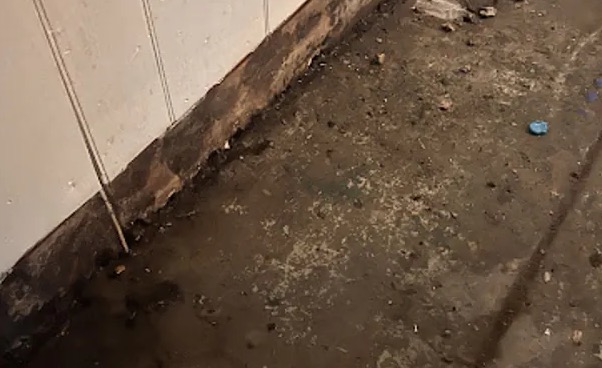
Septic system overflow water removal in Southlake protects your investment by preventing secondary damage like mold and wood rot. The standing sewage water can warp cabinets, ruin insulation and stain concrete.
Septic tank backup water removal services in Southlake are vital for homes that rely on septic systems, which can fail due to blockages or heavy use. Properties in nearby areas like Grapevine, Colleyville and Trophy Club also face similar risks from septic overflows.
Septic Tank Backup Water Removal Services in Southlake
Septic System Water Damage Repair
Repair work addresses structural components like floor joists or wall studs compromised by contaminated water. Repairs follow once the area is clean and dry.
Septic Backup Odor Removal
Local septic backup water extraction experts ensure the smell is addressed at its origin, not just masked. This odor removal service employs air scrubbers and specialized treatments to neutralize the persistent sewage odor.
Emergency Septic Backup Response
For a septic backup emergency, the pros respond day or night to start the extraction and cleanup process.
Septic Tank Backup Water Extraction
The water extraction for a septic tank backup in Southlake uses truck-mounted pumps to remove the contaminated water.
Septic Tank Drain Backup Cleanup
The drain backup cleanup process includes extracting sewage water, flushing the affected pipes, and disinfecting all plumbing fixtures. The pros ensure the system is clean and functional.
Symptoms Requiring Septic Tank Backup Water Removal
Wet Spots or Soggy Ground Outside
Damp, lush or spongy patches in the yard near the septic tank can mean the tank is backing up.
Sewage Visible in Cleanout Pipe
If you check the main sewer cleanout and find standing wastewater, your septic system overflow water removal must be addressed by the experts.
Unexplained Increase in Water Bill
A sudden spike in water use without a clear cause can mean a hidden leak or a toilet running into the septic system.
Multiple Drains Backing Up Simultaneously
When several fixtures clog or drain slowly at once, the problem is usually the main line or the tank, not a single clog.
How Septic Tank Backup Water Removal Works in Southlake
Step 1: Septic Backup Response
The experts start with an emergency response and a first look at how far the sewage spread.
Step 2: Contaminated Water Removal
Extraction equipment removes the sewage and contaminated water before it spreads further.
Step 3: Sewage Cleanup and Sanitizing
Surfaces are disinfected and deodorized so no bacteria or smell is left behind.
Step 4: Damage Documentation and Repair
The damage is documented for your insurance claim, and repairs restore the affected rooms.
Frequent Sources of Septic System Water Damage
Excessive Water Usage Overloading System
Too much water entering the tank at once can overwhelm it and send sewage back into the home.
Full or Failing Septic Tank
A tank at capacity cannot accept new wastewater, causing immediate backups into your home. Regular pumping prevents this common septic tank backup cause.
Damaged or Collapsed Drain Field
When the drain field fails, water has nowhere to go and backs up into the house again and again.
Root Infiltration Into Sewer Lines
Tree roots seeking moisture can crack and block pipes, and the backup gets worse over time.
Septic Tank Backup Water Removal for Homes and Businesses in Southlake
Residential Septic Tank Backup Water Removal
Sewage smell can linger in a home after a septic backup. After cleanup, the pros remove the source, use air scrubbers and seal stained surfaces if the odor stays.
Commercial Septic Tank Backup Water Removal
For hotels or rental properties, a septic backup threatens reputation and revenue. Septic system water damage repair professionals work to rectify the plumbing issue and restore guest rooms or common areas with minimal downtime and thorough sanitization.
Why Septic Tank Backup Water Removal Requires Professional Local Experts
After professionals have extracted the water, you can assist with the drying process by maintaining a warm, dry environment if advised. Do not replace flooring or drywall until moisture readings confirm it's dry.
Factors Affecting Septic Tank Backup Water Removal Cost in Southlake
Cost depends on how much water must be extracted and whether the drain line to the tank also backed up.
Damage Documentation
Detailed septic water damage documentation for insurance purposes involves time for photos, moisture mapping, and report preparation by the experts.
Structural Repairs
Any necessary septic system water damage repair, such as replacing subflooring or wall structures, is a separate line item in the restoration process.
Affected Materials
Porous materials like drywall or flooring that absorb septic water may require removal and disposal, adding to the project's scope and expense.
Does Insurance Cover Septic Tank Backup Water Removal?
Homeowners insurance may cover septic tank backup water removal if the backup is caused by a sudden, accidental event listed in your policy. Coverage decisions belong solely to your insurer, so you should confirm your specifics.
The Value of Local Septic Backup Water Extraction Experts in Southlake
Methodical Drying Process
After extraction, industrial air movers and dehumidifiers ensure the area is dried to prevent secondary mold damage.
Containment Protocols
Work areas are sealed off so sewage is not tracked into clean rooms during the cleanup.
Effective Odor Elimination
Specialized foggers and air scrubbers tackle septic backup odor removal at the source, not just masking unpleasant smells.
Urgent Septic Tank Backup Water Removal Response in Southlake
A septic tank flood can cause extensive damage and health risks. Do not wait; call (469) 535-6935 for 24/7 emergency extraction and cleanup from the pros.
Call Now (469) 535-6935Septic Tank Backup Water Removal Near Southlake: Areas Served
Septic backup cleanup is available throughout Tarrant County. From Southlake to areas like Grapevine, Colleyville and Trophy Club, the experts remove sewage and disinfect the affected rooms.
- Septic Tank Backup Water Removal in Grapevine
- Septic Tank Backup Water Removal in Colleyville
- Septic Tank Backup Water Removal in Trophy Club
- Septic Tank Backup Water Removal in Keller
- Septic Tank Backup Water Removal in Flower Mound
- Septic Tank Backup Water Removal in Roanoke
- Septic Tank Backup Water Removal in North Richland Hills
- Septic Tank Backup Water Removal in Bedford
- Emergency Damage Restoration in 76092
- Storm Damage Restoration in 76092
- Water Damage Restoration in 76092
- Water Extraction Service in 76092
- Water Leak Detection in 76092
- Water Removal Service in 76092
Your Septic Tank Backup Water Removal Questions Addressed
Is residential septic backup cleanup a DIY job?
No. Sewage exposure is a serious biohazard risk. Professional septic backup cleanup specialists have the training, equipment, and protective gear to handle contamination safely and effectively.
How do pros document septic system water damage?
They use moisture meters, thermal imaging cameras, and photography to map affected areas, creating a detailed report for your records and potential insurance claim submission.
What does septic overflow decontamination involve?
The process uses EPA-registered disinfectants and antimicrobial cleaners on all affected surfaces to kill bacteria and viruses, ensuring the area is sanitized and safe for reoccupation after the cleanup.
Does septic backup emergency service work 24/7?
Yes, the experts offer around-the-clock emergency response because septic failures can happen at any time and require immediate intervention to limit damage.
What causes a septic tank flooding incident?
Common causes include a full tank, a clogged drain field, pipe blockages or heavy rain overwhelming the system.