Greenville, TX · Hunt County
Roof Leak Water Removal in Greenville, TXWall Cavity Drying & Structural Drying Services
When rain gets into a Greenville attic, roof leak water removal means emergency roof tarping, attic water extraction and structural drying services.
Answered 24/7
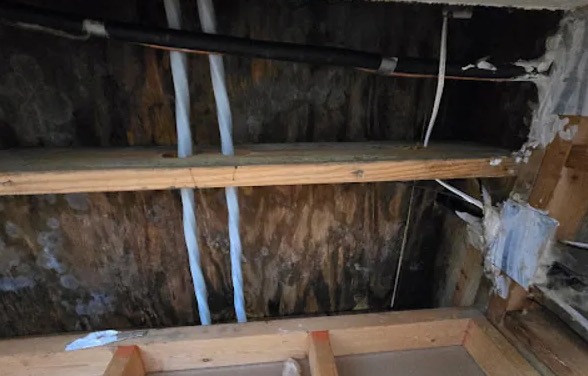
Roof Leak Water Removal for Greenville Homes
In Greenville, roof leaks tend to show up during or right after heavy rain, when water finds a worn shingle, a cracked boot or loose flashing.
Roof leak water removal is available in Greenville and nearby Farmersville, Royse City and Lavon. The pros tarp the opening if needed, extract the water and dry the attic framing and ceiling drywall.
Roof Leak Cleanup Services in Greenville, TX
Wall Cavity Drying
Water that follows a top plate or a pipe chase can soak insulation inside a wall. Moisture meters find it, and air is pushed into the cavity to dry it.
Structural Drying Services
Air movers and dehumidifiers are set up in the attic and the rooms below. Rafters, decking and joists are metered daily until they reach normal readings.
Leak Source Identification
Photos of the entry point, the wet decking and the path of the water give the roofer and your insurer a clear record of the leak.
Ceiling Water Damage Cleanup
Ceiling cleanup covers the drywall, texture and any wet insulation resting on it. Readings decide whether a panel can be dried in place or must be replaced.
Emergency Roof Tarping
A heavy tarp is fastened over the damaged section so rain stops coming in while the inside is dried. A roofer makes the permanent repair later.
Signs of a Roof Leak in Your Greenville Home
Wet or Flattened Insulation
Insulation that is matted, stained or damp to the touch in the attic means rain is getting past the roof deck.
Damp Baseboards on Exterior Walls
Wet or swelling baseboards under a ceiling stain mean water has traveled down the wall cavity from the attic.
Musty Smell After Rain
A damp, musty smell that gets stronger after storms often means insulation in the attic is staying wet.
Puddles Under the Ceiling
Water on the floor under a stain or a drip means the ceiling above is already holding more than it can absorb.
How Roof Leak Water Removal Works in Greenville
Step 1: Protect the Rooms Below
Furniture and belongings under the leak are moved or covered, and floors are protected before any ceiling work begins.
Step 2: Drain and Open the Ceiling
Water trapped above the ceiling is drained through a small hole, and soft drywall is removed to reach the wet cavity.
Step 3: Dry Walls and Framing
Wall cavities under the leak are checked and dried along with the joists and top plates the water ran across.
Step 4: Document for the Claim
Photos, moisture logs and a list of removed materials are put together for you to share with your insurer.
Why Water Gets Into the Attic in Greenville
Storm Debris and Hail
Falling branches and hail can crack shingles or puncture the deck, opening a direct path for rain into the attic.
Damaged or Missing Shingles
Wind, age and impact lift or tear shingles and leave the underlayment exposed, so rain soaks straight into the decking.
Worn Flashing
Flashing around chimneys, skylights and wall joints can crack, rust or pull loose, and water runs in along the gap.
Skylight Seals
Skylight gaskets and curb flashing wear out, and water runs into the shaft and down the drywall around the opening.
Roof Leak Water Removal for Homes and Businesses in Greenville
Residential Roof Leak Water Removal
In older Greenville homes, leaks often follow old chimney chases or plaster ceilings. The pros check these areas closely because plaster holds water longer than drywall.
Commercial Roof Leak Water Removal
Warehouses and shops with large roof areas can have several leaks at once. The pros map each wet area, extract water and dry the structure section by section.
What You Can Do Before Help Starts on a Roof Leak
Stay out of an attic that has standing water or soft spots. Ceiling drywall between the joists will not hold your weight and can give way.
What Roof Leak Water Removal Costs in Greenville
In Greenville, the biggest cost drivers after a roof leak are wet insulation, wet ceiling drywall and how hard the attic is to work in.
Insulation Removal
Bagging and hauling soaked insulation takes labor, and the attic needs new insulation once the framing is dry.
Emergency Tarping
If the roof needs a tarp before drying can start, the materials and labor for that step add to the bill.
How Long It Leaked
A leak caught during the first storm usually means less wet material than one that has been dripping into the attic for weeks.
Does Insurance Cover Roof Leak Water Removal?
Some policies limit payment if a leak was left unrepaired for a long time. Report it promptly and keep receipts for the tarp and any emergency work.
Reasons to Use Local Pros for Roof Leak Cleanup
Finding Hidden Water
Thermal cameras and moisture meters find wet insulation and wall cavities that are not visible from the room below.
Drying to Measured Targets
Drying stops only when meters show the wood and drywall are dry, not when the surface looks dry.
Wet Insulation Handled
Soaked insulation is bagged and removed so the ceiling and framing can dry instead of staying damp under it.
Around-the-Clock Roof Leak Water Removal in Greenville
For an active roof leak in Greenville, call (469) 535-6935. Local restoration pros handle the tarp, the water in the attic and the drying of the rooms below.
Call Now (469) 535-6935Local Roof Leak Water Removal Coverage for Greenville
The places below are also served, and each one has its own page.
- Roof Leak Water Removal in Farmersville
- Roof Leak Water Removal in Royse City
- Roof Leak Water Removal in Lavon
- Roof Leak Water Removal in Fate
- Roof Leak Water Removal in Princeton
- Roof Leak Water Removal in Rockwall
- Roof Leak Water Removal in Wylie
- Roof Leak Water Removal in Terrell
- Emergency Damage Restoration in 75401
- Storm Damage Restoration in 75401
- Water Damage Restoration in 75401
- Water Extraction Service in 75401
- Water Leak Detection in 75401
- Water Removal Service in 75401
- Emergency Damage Restoration in 75402
- Storm Damage Restoration in 75402
Roof Leak Water Removal FAQs
Can a roof leak cause mold in the attic?
Yes, if the wood and insulation stay wet. Prompt extraction and drying, plus removing soaked insulation, keep the attic from staying damp long enough for mold.
Does every roof leak lead to mold?
No. Mold needs materials to stay wet for a day or more. When water is removed and the attic is dried promptly, mold usually does not take hold.
Why does wet insulation have to come out?
Wet insulation stays damp for a long time, holds water against the ceiling and framing, and stops insulating. Removing it lets the attic dry.
How do the pros find where a roof is leaking?
They trace the water from the stain up into the attic, follow it along the rafters and decking, and use moisture meters to find the entry point.
Is it safe to stay in a room with a wet ceiling?
Keep people out from under a ceiling that sags or drips. Turn off power to wet light fixtures until the ceiling has been checked.