Cedar Hill, TX · Dallas County
Clean Water Extraction (Category 1) in Cedar Hill, TXEmergency Water Mitigation & Hard Surface Floor Drying
Clean Water Extraction (Category 1) in Cedar Hill runs from standing water pump out and appliance leak water cleanup to wall cavity water extraction.
Answered 24/7
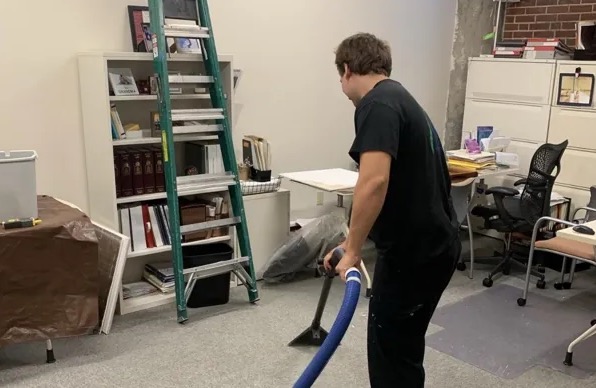
Professional Clean Water Extraction (Category 1) in Cedar Hill, TX
Category 1 water is clean water from a sanitary source: a broken supply line, a leaking water heater, an overflowing sink with no waste in it. In Cedar Hill, it is the most common kind of water damage, and the easiest to recover from when handled fast.
In Cedar Hill, many clean water calls start with a burst washer hose or water heater leak. Local water extraction pros serve Cedar Hill, Duncanville, DeSoto and Glenn Heights, extracting the water and drying floors and walls.
Clean Water Extraction (Category 1) Methods Used in Cedar Hill
Emergency Water Mitigation
Emergency mitigation focuses on what is still at risk. Belongings are moved, furniture is set on blocks and the wettest areas are extracted first.
Hard Surface Floor Drying
Tile, sealed concrete and hardwood are squeegeed and extracted, then dried with air movers. Grout lines and seams are checked for water underneath.
Ceiling Leak Water Removal
The ceiling cavity is dried along with the room below, so both levels are back to normal before repairs.
Wall Cavity Water Extraction
Wet insulation in the wall cavity is pulled out so studs can dry. Drywall wet from clean water can often stay.
Wet Carpet Water Extraction
Clean water in carpet is pressed out with weighted extraction tools. Because the water is clean, the carpet can often be dried and kept.
How to Know You Need Clean Water Extraction (Category 1) in Cedar Hill
Furniture in Wet Areas
Furniture sitting in wet areas can stain carpet and swell at the legs, and should be moved or blocked up.
Buckling Laminate Flooring
Laminate that buckles, cups or lifts at the seams has water trapped underneath it.
Damp Hardwood or Tile Floors
Hardwood or tile that feels damp, or grout that stays dark, has water soaking in or underneath.
Water Around Appliances
Water around the washer, water heater, dishwasher or refrigerator points to a failing hose or fitting.
How Clean Water Extraction (Category 1) Works in Cedar Hill
Step 1: Source Stop and Safety Check
The water is shut off, and power to wet areas is checked before work begins.
Step 2: Bulk Water Extraction
Extractors remove water from every wet floor, starting with the deepest areas.
Step 3: Carpet and Floor Drying
Carpet is floated with air, hardwood is dried slowly and tile and grout lines are checked.
Step 4: Structural Cavity Drying
Wall bases and subfloors are dried through small openings until readings are normal.
What Causes Water Damage in Cedar Hill Homes
Roof Leaks From Rain
Rain entering through a roof leak is usually clean when it first reaches the ceiling and floor.
Water Heater Failure
Water heaters leak or burst as tanks corrode and fittings wear out.
AC Condensate Drain Clogs
A clogged AC condensate drain overflows clean condensate water into closets and ceilings.
Supply Line Breaks
Toilet, faucet and appliance supply lines split or loosen and release water under pressure.
Local Clean Water Extraction (Category 1) for All Properties in Cedar Hill
Residential Clean Water Extraction (Category 1)
In two-story homes, a clean water leak upstairs often reaches the ceiling below. Both levels are extracted and dried.
Commercial Clean Water Extraction (Category 1)
Warehouses and large spaces may need extra pumps and dehumidifiers for open floors, sized to the area that got wet.
Professional Clean Water Extraction (Category 1) or DIY in Cedar Hill?
If clean water has been sitting for more than a day, it may no longer be clean. Call the pros to check before deciding what can be dried.
Clean Water Extraction (Category 1) Cost Variables in Dallas County
Clean water extracted the same day in Cedar Hill usually costs much less to dry than water left until it soaks into walls and subfloors.
Access and Complexity
Crawl spaces, tight closets and areas under cabinets take more work to reach and dry.
Affected Square Footage
More square feet of wet flooring and walls means more extraction and more drying equipment.
Water Category and Source
Clean water costs less to handle than gray or black water, since more materials can be dried in place.
Does Insurance Cover Clean Water Extraction (Category 1)?
Insurers often want to see that the water was dealt with quickly. Starting extraction and keeping records helps show that.
Why Choose Local Pros for Clean Water Extraction (Category 1) in Cedar Hill
Industry Drying Standards
Drying follows industry water damage standards, with readings taken at every visit.
Drying Plan
Drying follows a set plan based on readings, with equipment moved as each area dries.
Content Protection and Moving
Furniture and belongings are moved or blocked up so they stay dry and do not stain carpet.
Emergency Clean Water Extraction (Category 1) Response for Cedar Hill
Night, weekend or holiday, the pros handle clean water leaks in Cedar Hill. Call (469) 535-6935 to get extraction and drying started.
Call Now (469) 535-6935Clean Water Extraction (Category 1) for Cedar Hill and Surrounding Communities
Besides Cedar Hill, the pros handle clean water extraction and drying in nearby Duncanville, DeSoto and Glenn Heights.
- Clean Water Extraction (Category 1) in Duncanville
- Clean Water Extraction (Category 1) in DeSoto
- Clean Water Extraction (Category 1) in Glenn Heights
- Clean Water Extraction (Category 1) in Midlothian
- Clean Water Extraction (Category 1) in Red Oak
- Clean Water Extraction (Category 1) in Grand Prairie
- Clean Water Extraction (Category 1) in Lancaster
- Clean Water Extraction (Category 1) in Mansfield
- Emergency Damage Restoration in 75104
- Storm Damage Restoration in 75104
- Water Damage Restoration in 75104
- Water Extraction Service in 75104
- Water Leak Detection in 75104
- Water Removal Service in 75104
- Emergency Damage Restoration in 75106
- Storm Damage Restoration in 75106
Clean Water Extraction (Category 1) FAQs for Cedar Hill Homeowners
What tools are used for home water extraction?
Submersible pumps, extractors, weighted carpet tools, air movers, dehumidifiers, moisture meters and thermal cameras.
How is moisture detected after water extraction?
Moisture meters and thermal cameras check floors, walls and ceilings, comparing readings to dry, unaffected areas.
What happens after the water is pumped out?
Carpet and floors are extracted, walls and subfloors are checked with meters and drying equipment runs until readings are normal.
Are air movers and dehumidifiers always necessary?
For anything beyond a small surface spill, yes. The pros dry the water that soaked into carpet, walls and subfloors.
What methods are used for water behind walls?
Small holes or removed baseboards let air into the cavity, wet insulation is removed and the wall is dried until readings are normal.