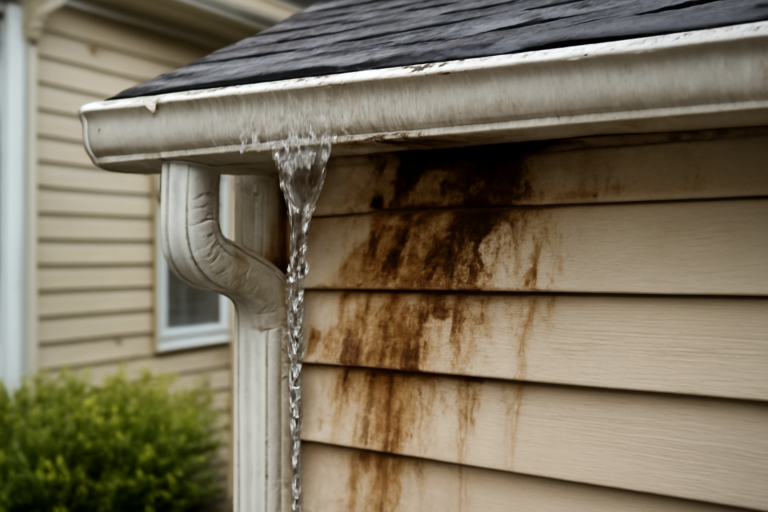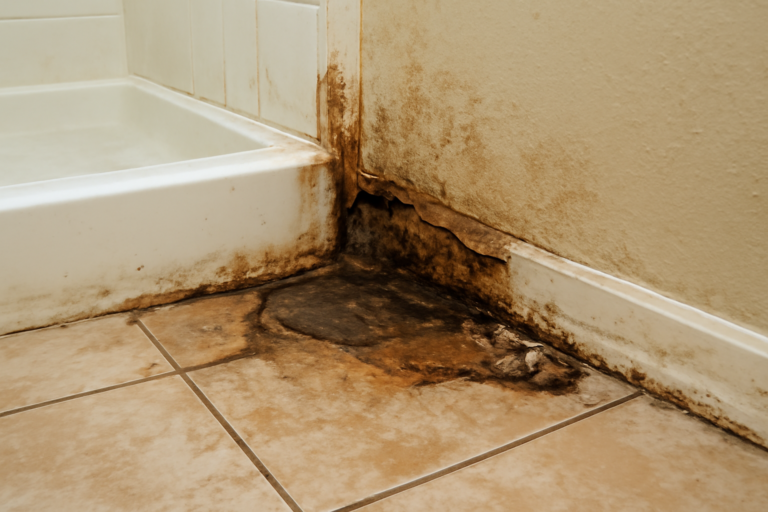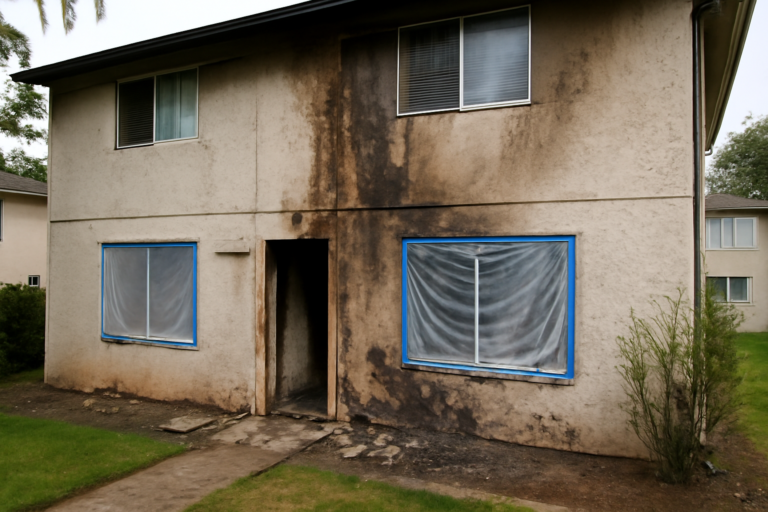
Trusted by 150+ Homeowners
Ceiling Water Extraction in Little Elm, TX
- Over 154 5-Star Reviews
- Free Estimates and Quotes
- 100% Satisfaction Guaranteed
- Child, Family & Pet Safe Steps
- 24-Hour Emergency Service
- Fully Licensed & Insured
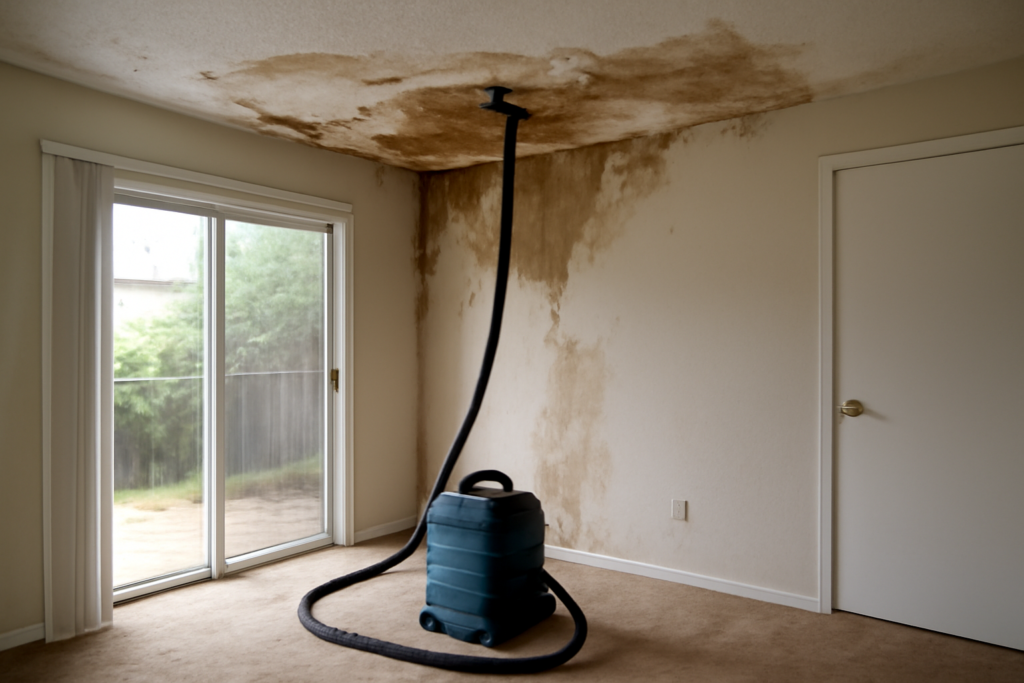
Ceiling Water Extraction: Don’t Let Standing Water Destroy Your Home
Imagine coming home to a flooded living room, water dripping from the ceiling, and a musty smell that refuses to go away. You’re met with the daunting task of cleaning up the mess, but you’re not sure where to start. That’s when you need a professional team to handle the Ceiling Water Extraction process.
With over 165+ five-star reviews, our team has helped countless homeowners in Little Elm, TX, and surrounding areas recover from ceiling water damage. We understand the stress and anxiety that comes with dealing with water damage, and we’re here to guide you through the process with ease.
- Quick response times, usually within 60 minutes, to reduce further damage and prevent secondary issues.
- Advanced equipment, including desiccants and industrial fans, to efficiently remove water and moisture from your ceiling.
- Thorough drying protocols to prevent mold growth and ensure your home is safe and healthy.
The Science Behind Ceiling Water Extraction
When water seeps into your ceiling, it can cause significant damage to your home’s structure and belongings. Our team uses a combination of specialized equipment and scientific principles to extract water and dry your ceiling efficiently. We measure moisture levels, identify areas of high risk, and set up targeted drying protocols to prevent further damage.
Step 1: Assessing the Damage
We begin by assessing the extent of the damage, identifying areas where water has penetrated, and determining the best course of action. Our technicians use specialized equipment to measure moisture levels and identify areas of high risk.
Step 2: Containing the Area
We contain the affected area to prevent further water damage and secondary issues. This involves sealing off adjacent rooms and installing specialized drying equipment to control the environment.
Step 3: Water Extraction
We use industrial pumps and vacuums to extract water from the affected area, working to remove as much water as possible to prevent further damage.
Step 4: Drying and Dehumidification
We use desiccants and industrial fans to dry your ceiling and surrounding areas, working to remove moisture and prevent mold growth.
Step 5: Final Inspection and Cleanup
We conduct a final inspection to ensure that all water has been removed and the area is safe and healthy. We also clean and disinfect the area to prevent any lingering issues.
Don’t wait any longer to address your ceiling water damage. Contact us today to schedule a free estimate and get your home back to its original state.
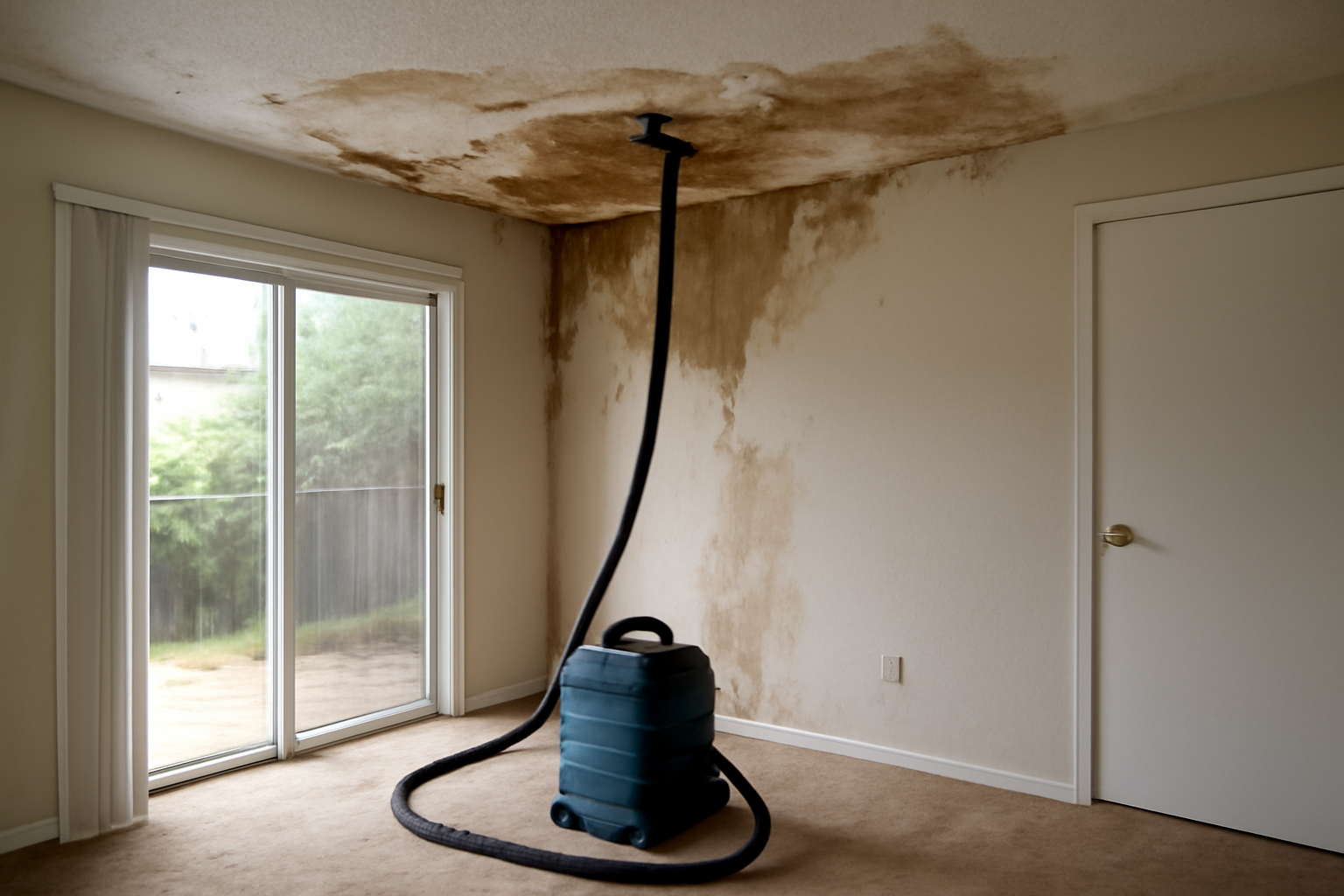
Warning Signs You Need Ceiling Water Extraction
Ignoring warning signs can lead to costly repairs and even health hazards. Be aware of the following signs that show you need professional Ceiling Water Extraction services:
Musty Odors That Won’t Go Away
Strong, persistent odors can show mold growth and water damage. If you notice a musty smell that won’t go away, it’s time to call a professional.
Water Stains on Your Ceiling
Water stains can be a sign of a larger issue. If you notice water stains on your ceiling, it’s essential to address the problem before it worsens.
Warped or Discolored Drywall
Warped or discolored drywall can show water damage. If you notice any changes in your drywall, it’s crucial to investigate further.
Unusual Sounds or Creaks
Unusual sounds or creaks can show structural damage. If you notice any unusual noises, it’s time to call a professional.
Visible Water Leaks
Visible water leaks can be a sign of a larger issue. If you notice any water leaks, it’s essential to address the problem immediately.
Ceiling Water Extraction vs. DIY: When To Call a Professional
| Situation | DIY? | Call a Pro? | Why |
|---|---|---|---|
| Small water stain on ceiling | Yes | No | DIY methods can usually handle small stains. |
| Visible water leaks | No | Yes | Visible water leaks need immediate attention to prevent further damage. |
| Musty odors that won’t go away | No | Yes | Musty odors can show mold growth, which needs professional attention. |
| Warped or discolored drywall | No | Yes | Warped or discolored drywall can show water damage, which needs professional assessment and repair. |
| Large water damage with multiple rooms affected | No | Yes | Large water damage needs specialized equipment and expertise to handle efficiently. |
With Ceiling Water Extraction, it’s always best to err on the side of caution. If you’re unsure about the extent of the damage or how to proceed, it’s time to call a professional.
Ceiling Water Extraction Cost in Little Elm, TX
The cost of Ceiling Water Extraction services can vary depending on the severity of the damage, the size of the affected area, and local conditions in Little Elm, TX. Our estimates range from $500 to $2,500, with prices influenced by factors such as:
| Service | Typical Price Range | What Affects Cost |
|---|---|---|
| Small water stain removal | $500 – $1,000 | Size of affected area and equipment required. |
| Visible water leak repair | $1,000 – $2,000 | Size of affected area, materials required, and labor costs. |
| Musty odor removal and drying | $1,500 – $3,000 | Size of affected area, equipment required, and drying time. |
| Warped or discolored drywall repair | $2,000 – $4,000 | Size of affected area, materials required, and labor costs. |
| Large water damage restoration | $3,000 – $6,000 | Size of affected area, equipment required, and labor costs. |
Exact pricing depends on an on-site assessment, and we offer free estimates to ensure you understand the costs involved.
Service Areas Near Little Elm, TX
We serve the following nearby communities: Frisco, TX, Plano, TX, McKinney, TX, Allen, TX, Richardson, TX, Garland, TX, Rowlett, TX, Sachse, TX, Wylie, TX, Rockwall, TX, Heath, TX, Royse City, TX, and more.
Common Questions About Ceiling Water Extraction
Will I need to replace my ceiling entirely?
Not always. Depending on the extent of the damage, we may be able to repair or restore your ceiling without replacing it entirely. Our technicians will assess the damage and provide a personalized recommendation.
How long will it take to dry my ceiling?
The drying time varies depending on the size of the affected area, the equipment used, and local conditions. On average, it takes 3-5 days to dry a ceiling completely.
Can I try to dry my ceiling myself?
It’s not recommended. Trying to dry your ceiling yourself can lead to further damage, mold growth, and health hazards. Leave it to the professionals to ensure a safe and healthy environment.
Will my insurance cover the costs?
Maybe. Check with your insurance provider to find out coverage and any requirements for filing a claim. We work with most insurance companies to ensure a smooth claims process.
How can I prevent ceiling water damage in the future?
Regular maintenance, such as inspecting your roof and gutters, can help prevent ceiling water damage. Also, ensuring proper ventilation and using a dehumidifier in humid areas can reduce the risk of water damage.
Check Our Other Relevant Services
Serving Little Elm, TX And Nearby Areas