Frisco, TX · Collin County
Attic Damage Restoration in Frisco, TXWet Attic Insulation Removal & Storm Water Attic Cleanup
Attic Damage Restoration in Frisco for homeowners covers wet attic insulation removal, attic pipe leak cleanup and attic water extraction.
Answered 24/7
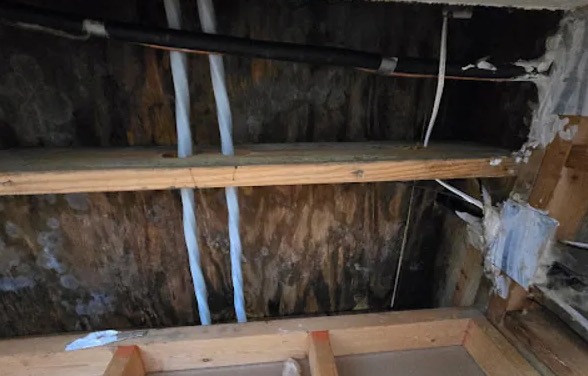
Attic Water Damage Repair for Frisco Homes
A sagging ceiling below the attic can be holding a lot of water. It can come down without warning if someone pushes on it.
Homes in Frisco with attic air handlers, water heaters or supply lines face leaks from above. Local attic water damage pros dry the attic and ceiling, and the service also covers The Colony, Prosper and Little Elm.
Attic Water Damage Services in Frisco
Wet Attic Insulation Removal
Insulation soaked by a leak is removed only where it got wet. The area is marked and listed so the right amount can be replaced once the attic is dry.
Storm Water Attic Cleanup
Once the roof is tarped or repaired by a roofer, storm water is removed from insulation and decking and the attic is dried with air movers and dehumidifiers.
Attic Sheathing Drying
Rafters and joists hold water deep in the wood after a leak. Pin meters show when the wood is dry inside, not just on the surface.
Attic Water Extraction
Pooled water on attic decking or in a drain pan is removed first with portable extractors, since nothing dries while water is still sitting in the space.
Roof Leak Water Cleanup
A roof leak often shows up far from where it starts. Moisture readings along the framing show every wet spot so each one is dried.
Do You Need Attic Damage Restoration? Common Signs
Rust Around Nails and Metal
Rusty nail tips, straps or ductwork in the attic point to repeated moisture from a leak or condensation.
Wet or Matted Insulation
Insulation that looks flattened, stained or clumped has been soaked and is holding water against the ceiling.
Dark or Damp Roof Decking
Dark patches on the underside of the roof decking show where water is getting in or condensation is forming.
Water in the AC Drain Pan
A full or overflowing condensate pan under an attic air handler means the drain line is clogged.
How Attic Damage Restoration Works in Frisco
Step 1: Storm Water Inspection
After a storm, the pros check the whole attic for wet spots at vents, flashing and damaged roofing.
Step 2: Attic Flood Cleanup
Storm water is removed from the insulation and decking, and soaked material is bagged and taken out.
Step 3: Drying After the Roof Is Covered
Once a roofer has tarped or repaired the roof, drying equipment is set across every wet area.
Step 4: Checking the Rooms Below
Ceilings and walls in the rooms under the attic are checked and dried so hidden water does not stay behind.
Common Sources of Water in the Attic
Roof Leaks and Worn Shingles
Missing, cracked or worn shingles and failed flashing let rain into the attic, often far from the stain below.
Sweating Ductwork
Cold air ducts with damaged insulation can drip condensation onto attic insulation and ceiling drywall.
Storm Damage to the Roof
High winds, hail and fallen limbs can open the roof and let wind-driven rain into the attic.
Clogged AC Condensate Drains
An attic air handler can produce gallons of water a day. A clogged line or rusted pan sends it into the insulation.
Attic Damage Restoration for Houses and Commercial Buildings
Attic Damage Restoration for Homeowners
When a pipe leaks in the attic, the pros help shut it off, remove the water and wet insulation and dry the framing around it.
Attic Damage Restoration for Businesses and Property Managers
Property managers in Frisco get written moisture records for each space, which help with insurance claims and repair planning.
Attic Damage Restoration vs. DIY: When to Call Attic Water Damage Pros
You can put a bucket under drips, move belongings out of the room below and turn off power to any wet light fixture. If insulation is soaked or a ceiling sags, call the pros.
Pricing for Attic Damage Restoration in Frisco
After-hours calls may cost more than scheduled work, but waiting lets water spread through more insulation and ceiling.
Size of the Wet Area
A small spot under an AC unit costs less than water spread across a large part of the attic.
Source of the Water
Clean water from a pipe or AC drain is simpler to handle than storm water that brought in dirt and debris.
Ceiling Damage Below
Sagging or soaked ceiling drywall that must be removed and replaced raises the total.
Does Insurance Cover Attic Damage Restoration?
A slow condensate leak may be treated as a maintenance issue, while a sudden overflow may be covered. Ask your agent before work starts.
Why Choose Local Pros for Attic Damage Restoration in Frisco
Drying Until the Wood Is Dry
Equipment stays until pin meters show the rafters and decking are dry inside, not just on the surface.
Finding All the Wet Areas
Moisture meters and thermal cameras show where water ran along the framing, not just the spot over the stain.
Proper Insulation Removal
Wet insulation is removed and bagged without spreading it through the house.
24/7 Emergency Attic Damage Restoration in Frisco
A sagging ceiling below the attic can fall without warning. Keep everyone out of the room and call (469) 535-6935 24/7.
Call Now (469) 535-6935Attic Damage Restoration Coverage in and Around Frisco
Homes and businesses across Collin County, including Frisco, The Colony, Prosper and Little Elm, can call for attic water damage repair.
Attic Water Damage FAQs
Is attic leak cleanup available at night?
Yes. Call (469) 535-6935 any time. Water in a ceiling should be handled as soon as possible.
What happens to the ceiling below the attic?
The pros check it for water. Drywall that can be dried is dried in place, and drywall that sagged or crumbled is removed.
How long does the attic drying process take?
Most attics take three to five days. Thick decking, deep saturation and high humidity can add time.
What should I do while I wait for help?
Turn off power to wet fixtures, put buckets under drips, move belongings out of the room below and take photos for your insurer.
Will drying equipment be loud?
Air movers and dehumidifiers make steady fan noise. In an attic, most of it stays above the ceiling.