McKinney, TX · Collin County
Attic Water Removal in McKinney, TXEmergency Attic Water Extraction & Attic Drying Services
Attic Water Removal in McKinney runs from roof leak water removal and wet attic insulation removal to ceiling water damage cleanup.
Answered 24/7
Local Attic Water Removal Solutions in McKinney
In McKinney, the most common attic water sources are roof leaks, attic AC units and plumbing that runs through the attic. Each one needs to be stopped before drying can work.
In McKinney, attic water calls often start with a ceiling stain after heavy rain or a dripping AC drain. Local water damage restoration experts serve McKinney, Fairview, Melissa and Princeton, removing water and wet insulation and drying the attic.
The Attic Water Removal Process in McKinney
Emergency Attic Water Extraction
Emergency extraction starts with buckets and containment under active drips, then moves to pulling pooled water off the attic floor.
Attic Drying Services
Drying continues until rafters, decking and ceiling drywall reach normal moisture readings, which is often several days.
Attic Moisture Inspection
Readings are recorded at the start and at each visit, giving a clear drying history for your records and insurer.
Roof Leak Water Removal
Rainwater from a roof leak is removed from the attic, and the wet path along the decking is followed back to where it entered.
Ceiling Water Damage Cleanup
Fallen drywall, wet insulation and debris in the room below are cleaned up, and floors and furniture are protected during the work.
Indicators of Attic Water Damage in McKinney
Puddles or Standing Water in Attic
Pooled water on the attic floor or on top of drywall needs removal right away.
Visible Mold in Attic Spaces
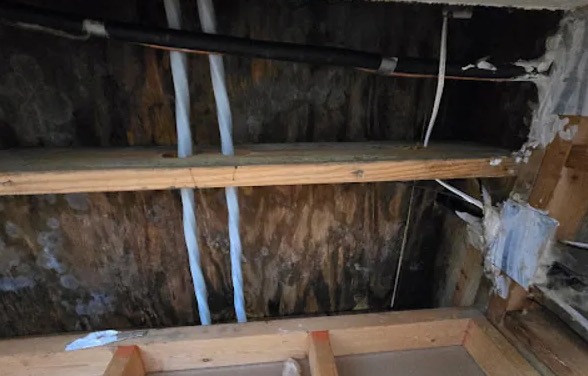
Dark spots on rafters or roof decking mean the wood has stayed damp for days or longer.
Rotting Wood on Attic Beams
Soft, dark or crumbling wood on rafters and beams points to long-term moisture.
Peeling Paint on Ceilings or Walls
Paint that peels or blisters on upstairs ceilings and walls often has water behind it.
How Attic Water Removal Works in McKinney
Step 1: Containment and Safety Setup
Power to wet fixtures is shut off and plastic sheeting protects the room below.
Step 2: Roof Leak Water Removal and Cleanout
Rainwater is removed, a tarp is placed over roof damage, and wet debris is cleared.
Step 3: Moisture Evaporation and Attic Drying
Equipment runs on safe footing in the attic, with readings checked each day.
Step 4: Validation of Dry Conditions
Final readings are compared to dry areas to confirm the attic is ready for new insulation.
Frequent Sources of Attic Water Damage in McKinney
Burst or Leaking Plumbing Pipes
Supply lines and drain pipes in the attic can crack or burst onto the ceiling.
Flashing Failures Around Roof Penetrations
Failed flashing around vents, chimneys and skylights lets rain run into the attic.
Appliance Malfunctions Like Water Heater Leaks
Water heaters located in the attic can leak or fail, flooding the attic floor.
HVAC System Leaks or Drain Pan Overflow
An attic air handler overflows when its condensate line clogs or the drain pan cracks.
Attic Water Removal for All Property Types in McKinney
Residential Attic Water Removal
In townhomes and condos, a shared attic can carry water into a neighbor's ceiling. Clear photos and readings help sort out repairs with the association.
Commercial Attic Water Removal
Property managers get records for each affected suite or unit, which helps with roof repair planning and insurance claims.
Attic Water Removal vs. DIY: When to Call the Pros
If you can do it safely, look into the attic with a flashlight to find the wet area. Removing soaked insulation and drying the framing needs boards, protective gear and equipment.
Attic Water Removal Cost in McKinney, TX
Tight attic access, blown-in insulation removal and storm-night calls all add to the total for attic water removal in McKinney.
Drying Time Required
Dense wood framing can take several days to dry, which adds equipment time.
Type of Insulation Affected
Blown-in insulation takes more time to remove than batts, and both add disposal costs.
Water Contamination Level
Clean rainwater is simpler to handle than water from a drain line or other dirty source.
Does Insurance Cover Attic Water Removal?
Ceiling damage in the rooms below is usually part of the same attic claim. Make sure the adjuster sees both spaces.
Benefits of Local Pros for Attic Water Removal
Advanced Moisture Detection
Moisture meters and thermal cameras find wet wood and insulation that look dry.
Mold Inhibitor Application
Wood that stayed wet can be treated with an antimicrobial after it is dried.
Source Identification
The pros trace the water to its source and note it for the roofer or plumber.
Round-the-Clock Attic Water Removal for McKinney
Ceiling sagging under the weight of water? Keep people out of the room below and call (469) 535-6935 now for attic water removal in McKinney.
Call Now (469) 535-6935Local Attic Water Removal Coverage Area
Attic water removal and drying also cover homes and buildings in Fairview, Melissa and Princeton, close to McKinney, day or night.
- Attic Water Removal in Fairview
- Attic Water Removal in Melissa
- Attic Water Removal in Princeton
- Attic Water Removal in Allen
- Attic Water Removal in Lucas
- Attic Water Removal in Anna
- Attic Water Removal in Prosper
- Attic Water Removal in Celina
- Emergency Damage Restoration in 75069
- Storm Damage Restoration in 75069
- Water Damage Restoration in 75069
- Water Extraction Service in 75069
- Water Leak Detection in 75069
- Water Removal Service in 75069
- Emergency Damage Restoration in 75070
- Storm Damage Restoration in 75070
Common Attic Water Removal Queries Answered
How do professionals dry an attic?
With air movers and dehumidifiers placed on boards across the joists, checking moisture readings daily until the wood is dry.
What should I do while waiting for attic leak water cleanup?
Catch drips, move belongings, stay out from under sagging ceilings and turn off power to wet light fixtures.
Why is emergency attic drying important?
Wet wood and drywall break down quickly. Drying fast saves more of the ceiling and lowers the risk of microbial growth.
What causes attic water damage?
Roof leaks, plumbing failures, attic AC overflows, water heater leaks, loose bath fan ducts and poor ventilation.
What is involved in attic water removal?
Stopping the source, removing pooled water, bagging wet insulation, drying the framing and decking, and checking the ceiling below.